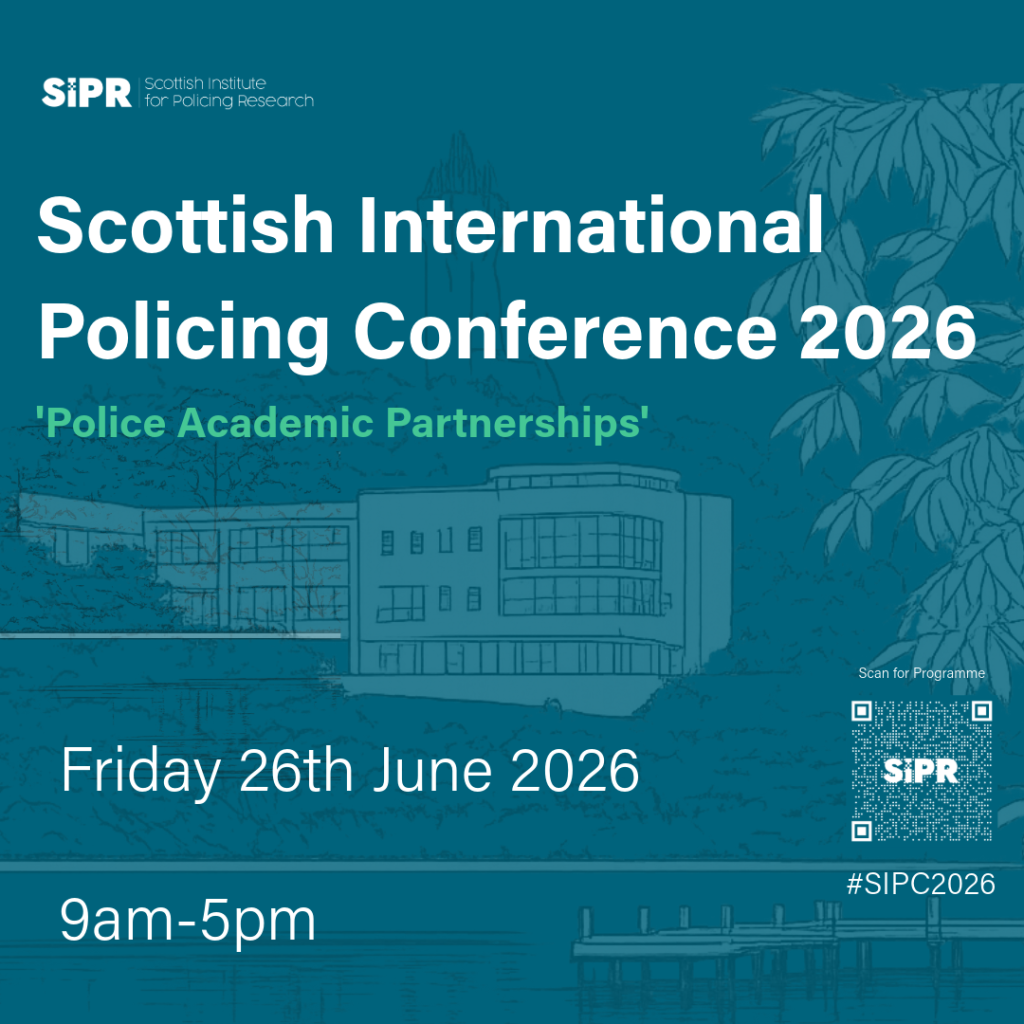
Welcome to the information pages for the 13th SIPR Scottish International Policing Conference #SIPC2026
Delivered by the Scottish Institute for Policing Research (SIPR), the conference brings together policing professionals, researchers, policymakers, practitioners, and partners from the UK and internationally.
The 2026 theme, Police Academic Partnerships, will focus on how collaboration between policing and academia can support evidence informed practice, innovation, and impact across policing and public safety.
As always, our aim for our conference is to provide an opportunity for valuable discussions, identifying key challenges and potential solutions, and sharing examples of best practice. We hope to provide plenty of opportunities to network, and meet your colleagues across policy, practice, and academia.
This year, the 54th James Smart Memorial Lecture 2026 will be delivered by Gary Ritchie and the 4th Nick Fyfe Lecture will be delivered by Professor Cynthia Lum, a Distinguished University Professor of Criminology, Law and Society and Director of George Mason University’s Center for Evidence-Based Crime Policy.
We look forward to welcoming you!
Further information will be posted here as the programme for the SIPC 2026 is developed.
Opening Panel: Setting the scene: Police academic partnerships in Scotland
DCC Alan Speirs
Deputy Chief Constable, Police Scotland
Alasdair Hay
Chair, Scottish Police Authority
Craig Naylor
HM Chief Inspector of Constabulary in Scotland
Will Linden
Deputy Head, Scottish Violence Reduction Unit
Delivered by Dr. Cynthia Lum is a Distinguished University Professor of Criminology, Law and Society and Director of George Mason University’s Center for Evidence-Based Crime Policy.
Lecture Theatre A96
Chair: Dr. Estelle Clayton-Williams (Edinburgh Napier University)
Panellists: Prof. Isabelle Bartkowiak-Théron; Superintendent Graeme Gallie; Dr Dr. Bisi Akintoye;
This session explores the evolving landscape of partnership working between police practitioners or policing scholars and a wide range of external stakeholders. It considers how partnership working has changed in recent years, what effective collaboration looks like (especially in this context), and the opportunities and challenges involved in building and sustaining these relationships.
Prof. Isabelle Bartkowiak-Théron (University of Tasmania)
What kinds of partnerships matter, for what purposes… and to whom?
This contribution to the panel challenges the tendency to treat police partnerships as interchangeable. Instead, I would like to argue that different partnerships do fundamentally different kinds of work, and that our current partnership models privilege some forms of impact over others. While police–academic collaborations are often framed around evidence production and evaluation, partnerships with health, community, and lived experience actors reshape the conditions under which policing occurs—informing judgement, legitimacy, and responses to vulnerability in ways that are less visible but no less consequential. Drawing on LEPH perspectives, I propose a series of provocations about value: whose value counts, how it is recognised, and what remains overlooked. In doing so, it questions dominant assumptions about impact, highlights the uneven distribution of authority within partnerships, and argues for a more explicit recognition of relational, co‑produced, and practice‑embedded forms of change.
Superintendent Graeme Gallie (Police Scotland)
Authentic Partnerships and Trust in Policing
Policing is a demanding, 24/7 vocation like no other. Every day, officers and staff answer a non-stop stream of calls for help. However, being the first line of response does not mean the police should solve every societal problem alone. True success relies on strong partnerships and the insights of lived experience. Yet, meaningful collaboration and co-production face steep institutional hurdles. This session explores these structural barriers, including conflicting organizational cultures, risk aversion, and why the sector can no longer afford to “mark its own homework.” In an era of shrinking budgets and escalating demand, policing should not always lead, and reactive crisis management should not become the default strategy. Policing and its partners must build the mutual trust and operational space required to truly deliver for the communities of Scotland.
Dr. Bisi Akintoye (University of Roehampton)
Beyond “Engagement”: Community Knowledge, Racialised Policing and the Limits of Partnership
The presentation will critically examine the tensions between community engagement and institutional accountability, highlighting how consultation can become extractive when lived experience is acknowledged rhetorically but not meaningfully embedded within policy or practice. It will also reflect on the disproportionate reliance placed on grassroots organisations and community actors to repair relationships with institutions that continue to produce racialised harms.
Focusing on the policy implications of these dynamics, the session considers what more meaningful and accountable partnership working could look like. This includes recognising community expertise, addressing power imbalances within engagement structures, and moving beyond legitimacy-focused models towards approaches grounded in transparency, accountability, and structural change.
Dr Catherine Kimbrell (George Mason University)
Victims as Stakeholders in Policing: Early Findings from a Victim-Centred Follow-Up Intervention
Victims are often overlooked as stakeholders in policing. This presentation examines victims’ needs in the policing context and considers how police can address those needs through victim-centered practices. We present early findings from a randomized controlled trial of a victim-centered follow-up intervention currently being implemented at two large police agencies in the United States by the Center for Evidence-Based Crime Policy (CEBCP) at George Mason University. The intervention is designed to test whether a simple, cost-effective investigative follow-up can improve the clearance of high-volume crimes while also improving victim satisfaction with the police. Victim satisfaction is assessed through a short, mailed survey administered to all victims included in the study.
While follow-up and callback interventions have shown promise for improving victim satisfaction, no recent U.S. studies have directly examined the effects of police follow-up on victim satisfaction. The current follow-up intervention focuses on victims of auto theft and burglary—common crimes that affect many people but often receive limited investigative attention. To date, approximately 500 auto theft cases and 60 burglary cases have been included in the study, and 185 victim surveys have been completed across both crime types. We present early findings from these survey data, focusing on whether victims who receive the follow-up intervention report greater satisfaction than those receiving “business-as-usual,” including satisfaction with police treatment, the information provided to them, and their sense of safety. Taken together, these early findings speak to the potential of victim-centered follow-up as a practical strategy for improving everyday police responses to crime.
Pathfoot Lecture Theatre
Chair: Dr. Niall Hamilton-Smith (University of Stirling)
Panellists: Tony Bowman; Dr. Matt Richardson; Dr. Belinda Onyeashie; Dr. Larissa Engelmann
This session explores what it means to conduct ‘meaningful’ research in policing contexts. Panellists are invited to reflect on the opportunities and challenges of conducting research with, for, and on policing partners, and how these orientations shape the purpose and perceived value of the work. The audience will also be invited to share their own insights
Tony Bowman (SOLD Network)
The easy read Letter of Rights in police custody: get it right for people with learning disabilities, and you get it right for everyone.
The Letter of Rights explains to people their legal rights whilst in police custody. A public consultation on the accessibility of the existing easy read version of the letter, generated heavy criticism, resulting in Scottish Government convening a working group to write a replacement. The SOLD lived experience user group were asked to write a new version. Several factors contributed to success: a relationship of trust between SOLD and Police Scotland built over a number of years; credibility of a genuinely user-led project; an effective end product that commands confidence and works in practice. The result was an excellent example of co-production between people with lived experience and professionals. The new easy read letter has become the default for use with all people in custody.
Dr. Matt Richardson (University of Dundee)
Researching policing practice as it effects Gypsy, Roma, and Traveller Groups: Negotiating the Pracademic Identity
This presentation introduces research into policing practice as it affects Gypsy, Roma, and Traveller (GRT) groups, foregrounding the challenges of negotiating a pracademic identity. The research combined a UK wide questionnaire of police officers with GRT liaison roles, and four semi structured interviews with GRT service users in Scotland. The presentation briefly reflects on methodological and ethical issues arising from researching across institutional and marginalised contexts, including access, trust, positionality, power, and data interpretation. As a serving police officer, the presenter critically examines indigenous-insider/external-outsider dynamics and reflexivity.
Dr. Belinda Onyeashie (University of the West of England)
Trusted Evidence Trails and Timelines: Practitioner-led Questions in Digital Forensics Research
Digital forensics research can look abstract from outside the discipline, yet every custody record, integrity check, and attribution trace carries consequences for the people whose cases pass through investigation and prosecution. My doctoral work examined trusted evidence trails and timelines for law enforcement, with attention to hybrid evidence such as seized phones that hold both material and data characteristics. The research questions took shape through SIPR conferences I attended as a student, conversations with digital forensic practitioners, and informal exchanges with policing contacts across several UK forces. Most of those exchanges focused more on the problem space than on solutions, which helped shape the methodology early on. This talk considers what it means to build a technical thesis around practitioner-defined concerns, and what such an approach offers research that serves the public interest in fair evidential practice.
Dr. Larissa Engelmann (University of Leeds)
Collaborative Research into Police Probationer Tutoring
Probationer tutoring is an undervalued and under-researched role internationally. Our mixed-methods evaluation of the Police Scotland tutor model demonstrates how embedded collaboration produces research that genuinely matters. By integrating a Practitioner Fellow (Insp Webster) alongside an internationally connected academic lead (Dr Tatnell), the team engaged meaningfully across frontline, middle management and senior levels. This multi-level approach broke down organisational silos, connecting staff development work across departments and internationally with examples of good practice from Sweden and England. Our experience illustrates how working with the police can shape research questions and enable opportunities for practice change.
Room D1, Pathfoot Building
Chair: Dr. Andrew Wooff (Edinburgh Napier University)
Panellists: Amanda Coulthard; Dr. Magnus Persson; Lesley Weber; Dr. Charlotte Gill
This roundtable invites panellists to offer short reflections (5-7 minutes) on what enables long-term, successful police academic partnerships. Themes will include:
Lessons learned from maintaining relationships across institutional cultures
Amanda Coulthard
TBC
Dr. Charlotte Gill (George Mason University)
Reflections from a Decade of Partnering with the Police
Researcher-practitioner partnerships are central to the advancement of evidence-based policing and the co-production of knowledge that enhances both scholarship and practice. Partnerships offer academic researchers valuable opportunities to step outside the “ivory tower” and see the real-life benefits of their work, create mentorship opportunities for colleagues and students, and develop new ideas. For police practitioners, collaborating with academics may bring a different perspective on solving problems, lend credibility to decision-making, and provide opportunities to cultivate community input.
However, these partnerships can also be fraught with challenges. Police agencies operate under different timelines and constraints from academics and are often under pressure to respond quickly to public concerns, and politics play a role in both police receptivity to research and the types of issues that can be studied. For researchers, the realities of policing do not always align with the norms and expectations of careers in the academy. Applied policing research is still considered ‘second-class’ scholarship in some circles, and in the current political climate partnering with police may even seen as controversial. A lack of training and incentives to do translational work can hinder successful relationship-building.
Dr. Magnus Persson (Linnaeus University)
How to neutralize “pollution” in police academic partnership
There is a well-documented mutual mistrust between the police and academia that manifests itself at both individual and organizational levels. For example, interviews with senior figures from academia indicate that “the police are allergic to academic knowledge,” while corresponding positions within the police maintain both that “academia does not understand what we need” and that “it is not part of our mandate to fund or conduct research.”
By studying police officers who have completed doctoral training, responses from within the police emerge that are interpreted by the doctorate-holding officers as threatening or dangerous, or, using Mary Douglas’s terminology, as forms of “organizational pollution.” The study identifies three distinct types of such “pollution.” First, research findings are judged to be inaccessible in the sense that they are difficult to understand; second, research findings are perceived as irrelevant to practical police work; and third, research findings are assessed as critical of, or even hostile toward, the police as an organization and profession. The police employ strategies such as exclusion, silence, and the alienation of both findings and individuals in order to neutralize their significance.
This presentation addresses the problems described above through the idea of deliberately and reflectively raising and making explicit both forms of “pollution” and the police’s neutralization strategies within potential police–academic partnerships. The aim is to create opportunities to neutralize misunderstandings, perceived threats, and obstacles, and thus enable fruitful and durable partnerships. It is important to emphasize that the problem of mutual mistrust is a consequence of the approaches of both parties, which also implies a shared responsibility for resolving conflict and friction.
Lesley Weber (Police Scotland)
TBC
Room D1, Pathfoot Building
Chair: Prof. Megan O’Neill (University of Dundee)
Panellists: Dr. Megan Parry; Dr. Richard Cockbain; Dr. Laura Briody; Dr. Kamau Wairuri
This session examines how academics, policing practitioners, and partner organisations work together across different professional cultures, expectations, and ways of knowing. Panellists are invited to explore cultural resonance as well as points of tension, and to outline practical lessons for strengthening impactful partnership working.
Dr. Megan Parry (The University of Rhode Island)
Never as simple as it seems: consent, culture, and compromise in policing research
Consent is often treated as the keystone of ethical research involving human subjects: who can consent, how consent should be obtained, and how researchers can ensure that consent is freely given. While these questions have established answers in most standard research-ethics frameworks, policing research can create conditions not always anticipated by those frameworks. This talk uses reflections from three different approaches to policing research to examine questions of consent, and how institutional convenience, unexamined bias, and structural hierarchy can compromise not only consent but the research process as a whole. Further, this talk will present suggestions and possible solutions to avoid issues that arise from unexamined coercion, exclusion, or unequal power.
Dr. Richard Cockbain (University of Dundee)
From the inside out: a pracademic perspective on police-academic partnership
Policing and academia are frequently characterised as distinct professional cultures – each shaped by different hierarchies, languages, timescales and standards of evidence. For most researchers, navigating that difference is a challenge encountered at the boundary. For the pracademic, it is a permanent condition.
This presentation draws on six years of doctoral research conducted as a serving police officer, examining the nature and impact of ethics panels across UK policing. It offers a first-hand account of what it means to operate at the intersection of these two cultures simultaneously – what that dual identity enabled, what it complicated, and what it revealed about both worlds in the process.
Using positionality as both a methodological tool and a subject of honest reflection, the presentation explores the cultural resonances and points of tension encountered throughout the research journey: the assumption of trust that opened doors, the institutional hierarchy that occasionally closed them, and the epistemic differences that shaped how knowledge was produced, received and applied.
The presentation concludes with practical lessons for strengthening police-academic partnerships – drawn not from theory alone, but from the experience of sustaining them under the simultaneous pressures of operational policing and doctoral rigour.
Dr. Laura Briody (University of Cumbria)
A foot in the door, but requiring permission to stay: reflections on positionality, ethics and values during postgraduate research collaboration with the police
Positioning the police as stakeholders in research promotes and permits their engagement with the research, from data gathering to application of the findings (Rycroft-Malone et al., 2016). In theory, collaborative research provides the opportunity for the co-production of knowledge between institutional actors and researchers (Janasoff, 2004). However, research in policing lags behind that in other public sectors, “characterised by mutual misunderstanding, suspicion, distrust and disengagement” (Crawford, 2020: 508). Competing priorities and values can significantly obstruct collaborative efforts between the police and researchers, instigating a ‘dialogue of the deaf’, hindering meaningful co-production (Bradley & Nixon, 2009).
This paper on research experience gained during a PhD project that ran from 2018 to 2023 in collaboration with an English police force to reflect on the benefits, challenges and ‘messiness’ (Crawford, 2020) of collaboration and co-production of knowledge between policing and academia. Findings explore the role of positionality of the researcher to explore the nature of privilege within research, as well as the navigation of ethics and values when operating as an outsider invited into an institutional environment such as the police. Finally, the paper reflects on a future framework of collaborative working for researchers who wish to study the police and similar organisations.
Dr. Kamau Wairuri (Edinburgh Napier University)
Lecture Theatre A96
Chair: Prof. Kirsteen Grant (Edinburgh Napier University)
Panellists: Dr. Elise Sargeant; Kevin Ditcham; Dr. Jessie Huff; Dr. Oona Brooks-Hay and Dr Kelly Johnson
This session explores how research can be translated into practice, and the varied orientations which shape this process. Panellists are invited to reflect on the opportunities and challenges of translation within policing contexts.
Dr. Elise Sargeant (Griffith University)
Procedural Justice and Road Safety: From Research Findings to Real World Policing
This paper presents one example of a successful police-academic partnership: Operation Whisky Rider. Operation Whisky Rider brought together Queensland police officers and Griffith University academics to tackle the issue of motorcycle crashes using a procedurally just approach. Operation Whisky Rider was evaluated using a randomised control trial design, with an array of data collection points including police and citizen surveys, vehicle speed measurement and body worn camera transcripts. The current paper is focused on the translational aspects of the project. The paper begins with an overview of the methods and results of the research. Second, aspects of the project that contributed to its operational success are discussed. Third, the ways in which the project has been translated into police practice are outlined. The paper argues that successful translation depends not only on the quality of the evidence produced, but on how well the project aligns with policing priorities, and how well translation elements are built into the research process. The paper concludes by distilling key lessons about translating research into practice, offering practical insights for researchers and practitioners seeking to embed evidence-informed approaches in real-world policing contexts.
Kevin Ditcham (Police Scotland)
Operationalising a victim-centred procedural justice approach to policing sexual violence
Kevin will provide a reflection of his work in translating evidence into practice in Police Scotland over recent years. From practical policing projects being evaluated, to working alongside community groups and communities at large, there have been multiple opportunities for learning and understanding how ‘evidence’ can support effective policing in Scotland. The small evidence-led policing team within Police Scotland supports operational teams, policing leaders and Chief Officers to utilise evidence that supports progress towards our 2030 Vision of safer communities, less crime, supported victims and a thriving workforce. Kevin will reflect on challenges, opportunities and what may be round the corner for Police Scotland’s evolving approaches.
Dr. Jessie Huff (University of Cincinnati)
Translating effective police training across contexts: Replicating a Brazilian Jiu-Jitsu-based training evaluation
Prior research in a large police agency suggests that Brazilian Jiu-Jitsu-based police training can reduce use-of-force severity and injuries. Whether these programs can be translated to smaller agencies and achieve the same benefits is unknown. We evaluate the implementation and impact of a response to resistance and aggression (RRA) training in a suburban department. Training was guided by deliberate organizational change strategies to ensure personnel understood the research foundation used to develop modified practices. Analysis of four years of body-worn camera footage shows that training significantly changed officers’ use of force tactics. RRA tactics significantly reduced the odds of officer injuries by 86% and the odds of post-control force by 98%, accounting for subject resistance, mental illness, and intoxication. RRA tactics were associated with significant increases in verbal de-escalation during (+95%) and after force (+103%). Findings demonstrate that training can be successfully adapted to smaller agencies, replicating and extending prior results. This study illustrates the opportunities and challenges of translating research within and across police agencies. We highlight how sustained engagement with agency leadership, trainers, and officers supported the transition from research to action. Broader efforts to disseminate the findings are also discussed.
Dr. Oona Brooks-Hay & Dr Kelly Johnson (University of Glasgow)
Operationalising a victim-centred procedural justice approach to policing sexual violence
This paper draws upon work undertaken as part of Operation Soteria, a police-academic partnership designed to transform police responses to rape and other serious sexual offences (RASSO) in England and Wales. Research evidence and outputs from Operation Soteria have underpinned the development of a National Operating Model (NOM) for the policing of rape and other serious sexual offences (RASSO) in England and Wales (launched in August 2023). The project was implemented through five ‘pillars for change’. In this paper, we focus specifically on the work produced within Pillar 3 to improve police engagement with victim-survivors of RASSO. We will share examples of the evidence-based outputs produced and incorporated within the NOM, alongside reflections on working in partnership with the police and other key stakeholders to develop and implement these outputs within a victim-centred procedural justice framework.
Pathfoot Lecture Theatre
Chair: Prof. Nick Fyfe (Robert Gordon University)
Panellists: Dr. Cynthia Lum; Prof. Liz Aston; Dr. Matt Bland; Dr. Cecilia Jonsson
This session invites panellists to reflect on their own experiences of contributing to police academic partnerships across different international contexts (e.g., CEBCP, SIPR, SEBP).
Dr. Cynthia Lum (George Mason University)
Pushing Forward in an Era of Delegitimization, Defunding, and Disarray
For decades, robust federal funding and institutional support sustained a golden era of police-researcher partnerships in the United States. Today, some of that infrastructure is fracturing amid a perfect storm: a profound crisis of legitimacy facing both law enforcement and academia, and significant defunding of criminal justice infrastructure that supports research partnerships. Pushing forward during this period of austerity, political pressures, and loss of infrastructure has required flexibility and creative shifts in partnerships while maintaining an anchor in rigorous science and practice. Evidence-based policing is not just a luxury reserved for stable times; if partnerships are central to achieving it, finding ways to move forward during this period is key. Lum will share some strategies she is taking within her own research and as director of the Center for Evidence-Based Crime Policy to navigate and survive this period.
Prof. Liz Aston (Edinburgh Napier University)
Impact, SIPR and structured academic-police collaborations in the UK
Police-academic partnerships are fragile (Bacon et al. 2021) and need to demonstrate value in order to sustain engagement and funding. Exchanging knowledge and using evidence to inform policing policy and practice is a mutual goal in police and academic worlds. In a UK context the Research Excellence Framework assessment process requires demonstration of research impact. Structured academic-police collaborations like SIPR provide an infrastructure to support knowledge exchange over the long-term (Aston and Wooff in press). But what more can be done to facilitate and document research impact? In this presentation I reflect on how pathways to impact could be maximised.
Dr. Matt Bland ( Society of Evidence-Based Policing)
Building a Global Evidence-Based Policing Movement: Collaboration Beyond Borders
Evidence-based policing has grown from a collection of local innovations into an international movement. Across Europe, North America, Australasia, and beyond, societies, research centres, police agencies, and practitioners are increasingly connected through shared values, common challenges, and a commitment to using the best available evidence. Yet sustaining momentum requires more than individual partnerships; it requires infrastructure, networks, and collective action. Drawing on the experience of the Global Societies of Evidence-Based Policing (GSEBP) which is made up of five national societies, this talk explores how international collaboration can strengthen evidence ecosystems, accelerate learning, amplify impact, and help embed evidence-based policing as a lasting global movement.
Dr. Cecilia Jonsson (Linnaeus University)
Police Academic Partnerships: Insights from the Swedish Police Education Model
As in most other Western countries, the need for and various forms of partnership between the police and academia have been discussed in Sweden. The most prominent of such existing partnerships is the Swedish initial police education programme. Since 2000, this has been a commissioned programme, owned by the Swedish Police Authority and delivered at five (soon to be six) academic institutions across the country. This partnership has now been in place for just over a quarter of a century. As noted in previous research, this type of partnership is often described using terms such as fragile alliances or two-world thinking. So how does this partnership actually work in Sweden? In this presentation, we explain how the partnership is structured, how the balance of power between the parties has shifted over the years, and what the advantages and disadvantages of ‘the Swedish police education model’ are.
Delivered by Former ACC and Visiting Professor Gary Ritchie
Chair: Dr Andrew Wooff
Closing Panel: ACC Sutherland | Prof Cynthia Lum | ACC Sutherland | Prof Isabelle Bartkowiak-Théron | Prof Liz Aston | Prof Gary Ritchie
This closing session brings together panellists to reflect on the key themes emerging across the day, including insights from the James Smart Memorial Lecture. Panellists will offer brief reflections (5-7 minutes) on what they will take forward into their own police academic partnerships.
The panel will look ahead to the next 5 years and consider the major challenges likely to shape police academic partnerships – whether social, economic, political, technological, organisational, or otherwise. Panellists will reflect on what they have learned during the day that may help partnerships navigate these emerging challenges and identify potential opportunities for strengthening partnership working and evidence-informed policing in the years ahead.
Dr Andrew Wooff

Gary Ritchie is a Managing Partner in the Global Consortium Group(GCG). Prior to this he was an Assistant Chief Constable with Police Scotland, retiring in 2025 after 34 years policing service. During his time as a member of the Police Scotland Executive team he oversaw portfolios and directorates for Organisational Change; Partnerships, Prevention and Community Wellbeing, International Policing Development and Operational Support.
He was appointed Assistant Chief Constable in 2019 and during his tenure, he oversaw directorate of Partnerships, Prevention and Community Wellbeing where he developed new public health led approaches in partnership with other public services to reduce and prevent harm and achieve better outcomes for communities and vulnerable people. As head of Drug Strategy, he compiled the first specific drug strategy for Police Scotland, shifting the emphasis from enforcement to harm reduction. As part of this new approach, he led the roll out of Naloxone (Narcan) to police officers which has resulted in Scotland becoming the first nation in the world to equip all its frontline police officers with nasal Naloxone. Since then Police Officershave regularly used Naloxone in cases where people have taken overdose, helping to savehundreds of lives.
He also led on the establishment of Police Scotland’s International Academy, founded on the principles of police senior leadership development through international study, engagement and networking. He established several internal policing leadership development programmes with police agencies in the USA, Australia, South East Asia, South America and Africa based around principles of Values Based/ Adaptive Leadership, strategic incident command, leadership modelling for conflict de-escalation, policing culture and international collaboration.
Gary also sat on the board of the Scottish Institute of Police Research, a nexus of 8 Scottish Universities in partnership with policing and supporting post-graduate research reflecting the most prominent policing and societal issues in order to assist policing in the development of evidence-based policy and practice. He has recently taken on the Chair of SIPR’s International Board He was awarded the King’s Police Medal in 2025 and, in recognition of his collaboration with academia over the past few years, he was made an Honorary Professor of Edinburgh Napier University. Following his retirement from policing he emigrated to Australia and lives in Sydney.

The Nick Fyfe Award
‘Without partnerships, we don’t have, nor can we achieve, evidence-based policing’
Professor Cynthia Lum is a Distinguished University Professor of Criminology, Law and Society and Director of George Mason University’s Center for Evidence-Based Crime Policy. She is a leading authority on evidence-based policing, an approach that advocates that research, evaluation, and scientific processes should have “a seat at the table” in law enforcement policymaking and practice. Prof. Lum has studied and written extensively about patrol operations and police crime prevention activities, police technology, investigations and detective work, and evidence-based crime policy. Additionally, she has developed numerous tools and strategies to translate and institutionalize research into everyday law enforcement operations. Her and Professor Christopher Koper’s foundational book on these topics–Evidence-Based Policing: Translating Research Into Practice (Oxford University Press)–received the American Society of Criminology Division of Policing 2020 Outstanding Book Award.
Professor Lum is an elected Fellow of the American Society of Criminology (ASC) and is the recipient of the 2025 Joan McCord Award (Academy of Experimental Criminology), the 2023 recipient of ASC’s Herbert Bloch Award, and the 2023 Distinguished Scholar Award (Division of Policing, ASC). She was an appointed member of the Committee on Law and Justice (CLAJ) for the National Academies of Sciences (NAS), and has served on the NAS’s ad hoc committees on Proactive Policing and Evidence to Advance Reform in the Global Security and Justice Sectors. She is a Board Trustee of the Council on Criminal Justice and a Board Director for the National Policing Institute. Prof. Lum is the founding editor of Translational Criminology Magazine and was Editor-in Chief (with Professor Christopher Koper) of Criminology & Public Policy, the flagship policy journal of the American Society of Criminology from 2019 to 2024.
Professor Lum is the recipient of the 2017 inaugural Mason Presidential Medal for Excellence in Social Impact and the 2020 Virginia State Council for Higher Education Outstanding Faculty Award.

Professor Isabelle Bartkowiak-Théron, PhD, is a leading scholar and educator in policing studies. She is Head of Program (Policing) in the School of Paramedicine and Public Safety at the University of Tasmania, and also serves as Director of the Tasmanian Institute of Law Enforcement Studies. Her work sits at the forefront of policing and public health, where she designs and leads innovative research, education, and reform initiatives addressing the circumstances of vulnerable people and advancing trauma‑informed, evidence‑based policing.
Internationally recognised for her expertise in police tertiary education, Professor Bartkowiak-Théron is a multi-award-winning teacher and a widely cited authority on law enforcement and public health. She is deeply committed to service within her professional and scholarly communities. She is Vice President of the Global Law Enforcement and Public Health Association and leads its international Special Interest Group on Education. She has served as Chair of the Tasmanian Human Research Ethics Committee since 2018, where she brings specialised expertise to complex methodological and vulnerability-related considerations, and contributes to numerous boards, charitable organisations, and editorial committees of international journals.
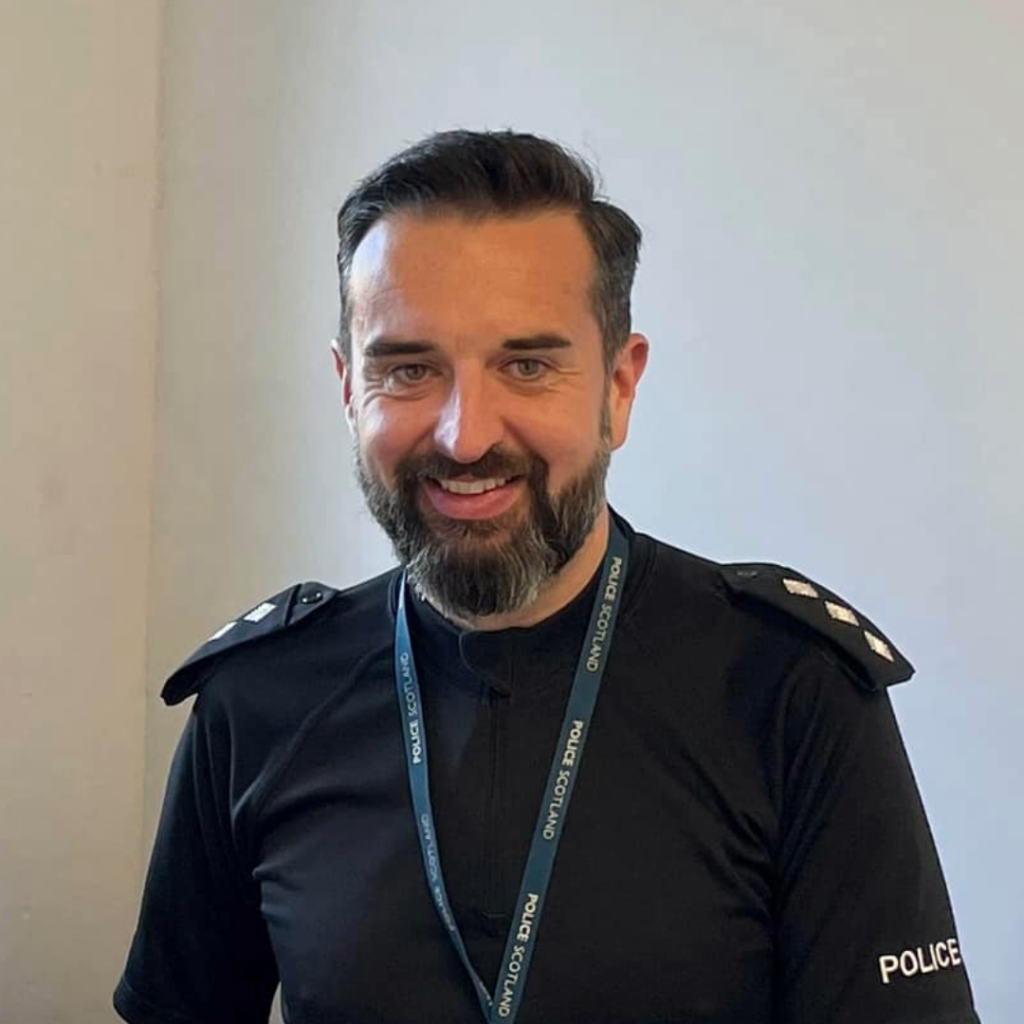
Superintendent Graeme Gallie serves as the Partnerships, Prevention, and Criminal Justice Lead for Ayrshire and Arran and as the National Delivery Lead for the Police Scotland Neurodiversity Strategic Working Group. Now in his third decade of policing, he has held a wide range of roles across both local policing and corporate services. As a Local Area Commander Graeme developed successful and effective partnerships by building mutual trust and shared strategic goals with marginalised communities.
As a neurodivergent leader, he has been actively engaged in advancing awareness and developing a deeper organisational understanding of neurodiversity within policing. Superintendent Gallie is a member of the Global Law Enforcement and Public Health (GLEPH) Neurodiversity Special Interest Group and has collaborated with academic partners and third sector organisations to promote research and data-driven analysis aimed at strengthening workforce capability and community outcomes.

Dr. Catherine Kimbrell is a Research Assistant Professor at the Center for Evidence-Based Crime Policy (CEBCP). She received her PhD in Criminology, Law and Society from George Mason University in 2019. Her research interests focus on evidence-based crime prevention, in particular for youth, victimology, and restorative justice. She specializes in mixed-methods research and evidence synthesis. Dr. Kimbrell has worked on numerous funded projects partnering with police departments to improve police responses and victim satisfaction with the police. Dr. Kimbrell is a past German Chancellor Fellow with the Alexander von Humboldt Foundation, during which she conducted research on Victim-Offender Mediation in Germany.

Dr Bisi Akintoye is a lecturer and solicitor whose research focuses on the intersection between race, drugs, policing, and youth experiences. Her research explores the role played by race and racism in the policing of Black communities. She qualitatively approaches the intergenerational lived experience of racialised policing by the MET police, through the prism of structural racism within colonial and post-colonial contexts. Bisi’s work applies an intersectional equity lens to racialised policing, and explores how ethnicity, gender, age, class, and immigration histories affect policing experiences. Her research also explores how race and structural inequalities intersect with issues of youth violence, gangs, and drugs.

Tony has worked as a social worker with people with learning disabilities and difficulties for over twenty years. I believe in lived experience and empowering the voice of marginalised people. Since 2016 I have worked on the SOLD Network, striving to combat the disadvantages experienced by people with learning disabilities and autism in conflict with the law. I firmly believe a justice system is achievable that can: reliably identify communication support needs at the earliest opportunity; embrace the optimum use of Diversion from Prosecution (needlessly criminalising people can cause more harm than the original offence); have supports and measures in place that allow equal access and full participation at every stage of the justice pathway; provide person-centred community-based sentence options to properly address the causes of offending behaviour, and effectively support people to avoid reoffending; provide long-term rehabilitative support to meet basic human needs in healthy and legal ways.

Matthew is a serving police officer and has a Professional Doctorate in Education from the University of Dundee. His research explores policing service provision for Gypsy, Roma, and Traveller groups in the UK, with particular reference to Scotland and the ‘liaison’ function adopted by many policing organisations. Matthew’s work examines how policing structures and culture interact with the culturally informed spatial mobility central to many Gypsy, Roma, and Traveller cultures.

Belinda Onyeashie is a Lecturer in Cyber Security at the University of the West of England, Bristol, where her teaching and research focus on digital forensics. She completed her PhD in Digital Forensics at Edinburgh Napier University in November 2025. Her doctoral work examined trusted evidence trails and timelines for law enforcement, with attention to hybrid evidence such as seized devices that hold both physical and data characteristics. The research was developed through three years of active engagement with policing stakeholders, including digital forensic practitioners and policy contacts in the UK, United States, and Australia, and produced a framework for evidence management and chain of custody. Her current research focuses on community-facing projects where digital forensics, cyber security, and police practice can converge for safer and better-served communities.

Larissa is a Research Fellow at the Vulnerability and Policing Futures Research Centre at the University of Leeds, where her work examines how police and partner agencies collaborate to reduce harm for people experiencing vulnerability. Her research spans Violence against Women and Girls, Domestic Abuse, and Online Child Sexual Exploitation and Abuse, with a consistent focus on translating evidence into practice and working in collaboration with communities.
Her doctoral research and associated projects, conducted at Edinburgh Napier University in partnership with SIPR, explored police learning and police mentoring models in Scotland. This work directly informed Police Scotland’s People Strategy and HMICS inspections, and reflects her longstanding commitment to evidence-informed policing — a commitment she continues through active engagement with national and international networks. She serves as a board member of the Global Law Enforcement and Public Health Association, the Scottish Independent Police Advisory Council, and the University of Portsmouth Policing Academic Centre of Excellence Advisory Board, as well as Co-Chair of the European Society of Criminology Working Group on Policing.
Across these roles, Larissa works to strengthen connections between researchers and practitioners, supporting knowledge exchange through events, publications, and collaborative projects. Her broader scholarly interests span policing, penal and criminal justice reform, with particular attention to police education, partnership approaches, and the needs of people in contact with the criminal justice system.

Head of Strategy and Performance,
Scottish Police Authority.
Amanda is Head of Strategy and Performance for the Scottish Police Authority.
Amanda joined the Authority in February 2021 from a role in West Dunbartonshire Council as the performance advisor to the Chief Executive and Elected Members, leading a team responsible for: Strategic Planning & Performance; Data Analysis; Policy; Consultation & Engagement; Equalities; Community Planning; Partnerships and Local Scrutiny. As the Head of Strategy & Performance for the SPA Amanda leads the Authority’s approach to developing and reviewing the national policing strategy, maintaining a system of performance assurance and reporting to support best value and maintaining public confidence in policing.

Dr. Charlotte Gill is an Associate Professor and Deputy Director of the Center for Evidence-Based Crime Policy in the Department of Criminology, Law and Society at George Mason University. She received her PhD in Criminology from the University of Pennsylvania in 2010. Her primary research interests are community- and place-based crime prevention approaches, with a focus on rural places; community-oriented policing and police responses to vulnerable populations; program evaluation; and research synthesis. Dr. Gill has over two decades of experience in applied experimental and quasi-experimental research and has partnered with police departments and community groups around the United States to develop and test community-led approaches to place-based prevention and improve police responses to people with mental health issues.

Magnus Persson is an Associate Professor of Sociology at Linnaeus University in Växjö, Sweden. His research primarily lies within the fields of the sociology of education and the sociology of professions, with a focus on studies of higher education, teachers’ labour markets, and police education. He is currently leading a research project that examines the complex relationship between the academic and police professions. He is also active in the international project RECPOL, which studies and compares processes of professional socialisation during police education and the early stages of police work.
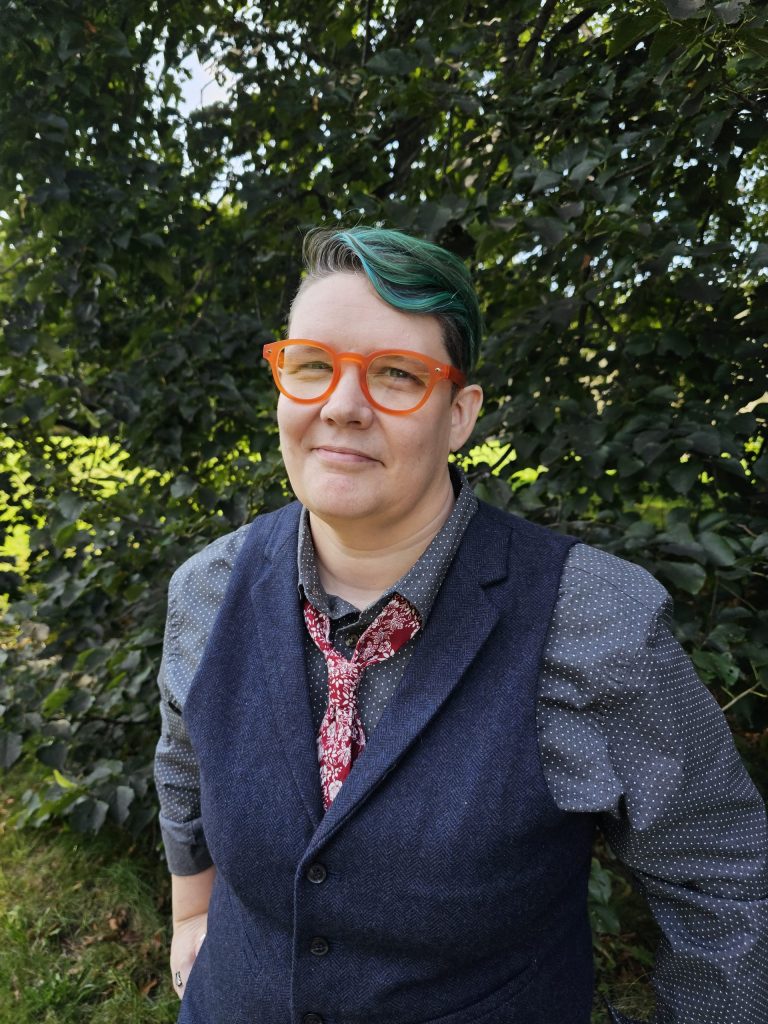
Megan M. Parry, (PhD), is an Associate Professor in the Department of Criminology and Criminal Justice at the University of Rhode Island. Her research draws on theories of police legitimacy, social cognition, and media studies and focuses on public perceptions of policing. Her current research examines policing and disabled populations, in particular autistic and Deaf and hard of hearing communities experiences and perceptions of the police. Her work has been published in Crime and Delinquency, Law & Society Review, Justice Quarterly.

Dr Richard Cockbain is a police leader with 25 years’ experience across UK policing, including operational command, intelligence management, professional standards, governance, and organisational reform. He holds a Doctorate in Applied Ethics examining the nature and impact of ethics panels in UK policing, is a Fellow of the Institute of Leadership, and has contributed nationally to the development of police ethical frameworks. Richard is also a trustee and non-executive director of a national emergency services charity. His writing draws on lived operational experience and empirical research to explore ethics, legitimacy, governance and learning in contemporary policing.

Dr Briody gained her undergraduate degree in Psychology and Social Anthropology from the University of St Andrews, where she would also gain her Masters of Research in Social Anthropology. She won an ESRC-funded CASE PhD studentship for her postdoctoral project at Keele University on operationalising ‘vulnerability’: investigating how the police are informed about, identify and respond to individuals categorised as ‘vulnerable’. She continues to examine how structural inequalities and social hierarchies perpetuate barriers within the public sector and criminal justice policy and practice under the guise of ‘vulnerability’. Her project involved working closely with an English police force, and therefore has substantial knowledge of policing practice, policy, history and legislation.
She has previously been a researcher with the Vulnerability Knowledge and Practice Programme and the College of Policing. She was the Data Insights Team for the 2023-24 and 2024-25 annual reports for the child safeguarding practice review panel, published by the Department for Education. She has significant knowledge of the safeguarding system and a emphatic interest in children’s rights.
She currently teaches at the University of Cumbria, specialising in professional skills, research methods, ethical practice and inequalities in the criminal justice system. She has upcoming papers to present on her research concerning ‘vulnerability’ at the British Society of Criminology conference at Nottingham Trent and the 8th International Conference of Law Enforcement and Public Health at Leeds University.
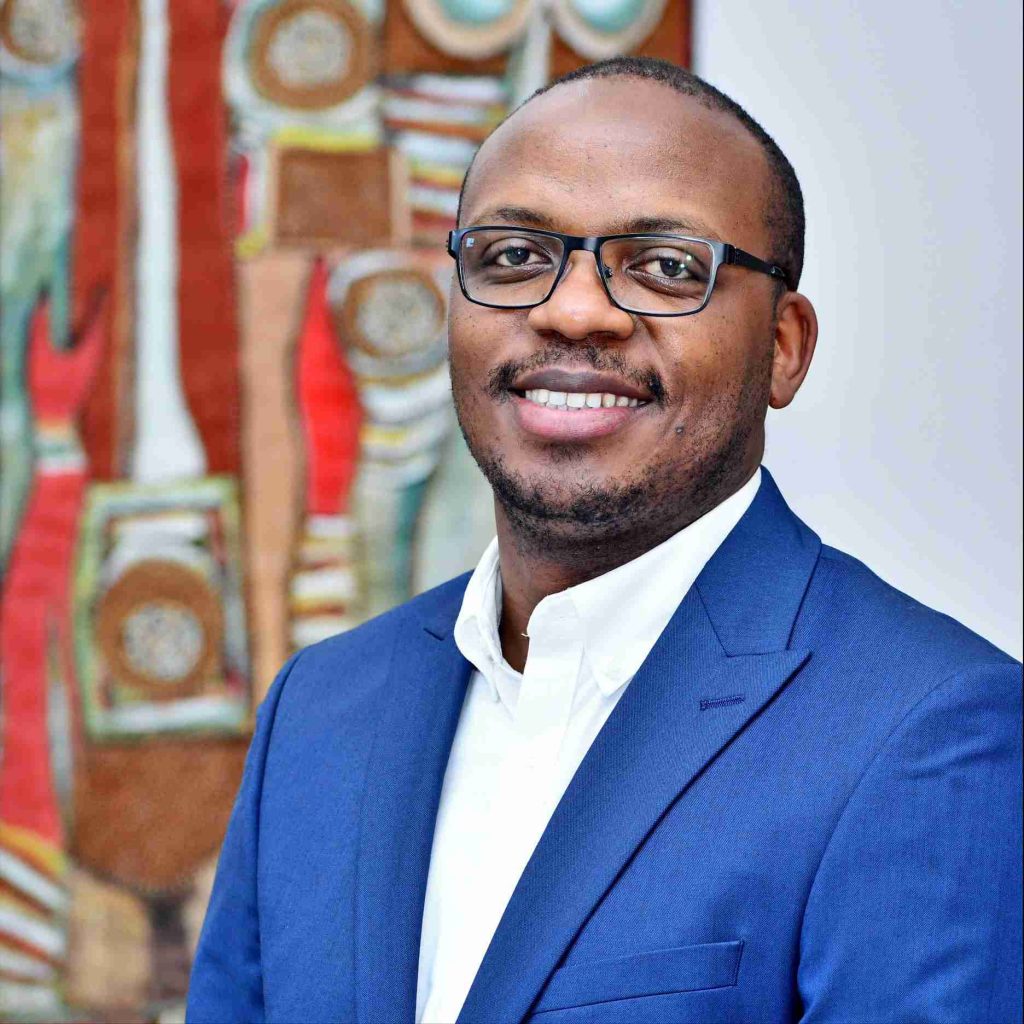
Dr Kamau Wairuri is a policy-oriented researcher and educator with expertise on the politics of crime control in Africa. His research focusses on the policing of marginalised, criminalised and stigmatised groups — the urban poor, protestors, sex workers and queer people — who are over-policed and under-protected by the state police. This has included examination of police abuse and the advocacy for, implementation and consequences of police reform and police accountability. He also examines the intersections between law enforcement and public health with respect to the policing of vulnerable groups, the control of drugs and alcohol and the wellbeing of police officers in Kenya. His work has been published in books and peer-reviewed academic journals, such as African Affairs and Policing & Society. Presently, he is a Lecturer in Criminology at Edinburgh Napier University and a Research Fellow at the Institute of Public Policy and Governance at the Strathmore University Business School (Nairobi, Kenya). He holds a PhD in African Studies from the University of Edinburgh, an MSc in African Studies from the University of Oxford and a Bachelor of Arts degree (Political Science and Sociology) from the University of Nairobi.

Dr Elise Sargeant is an Associate Professor in the School of Criminology and Criminal Justice and a member of the Griffith Criminology Institute at Griffith University. She specialises in research on procedural justice and legitimacy within the criminal justice system and works closely with police officers to evaluate policing practice (e.g. responses to sexual violence, road policing, and police training). Elise has taught a range of undergraduate and postgraduate courses, including survey methods, research design, and criminal justice, and currently serves as the Director of Higher Degrees by Research in Arts, Education and Law at Griffith University.

Kevin Ditcham is Police Scotland’s Research and Insight Manager. He is the senior manager within Strategy, Insight and Engagement leading on Police Scotland’s programme of public engagement and participation, colleague engagement and evidence-led policing. Kevin has a youth and community work background specialising in designing and leading participation and engagement programmes with young people and communities.
Kevin’s professional training and background is in youth and community work. He has initiated and led programmes of engagement, insight and research for Police Scotland to support change and evidence-led policing. Kevin joined Police Scotland in 2021, having previously worked in local democracy and national and local youth participation and engagement services across the public and third sectors.
Academically, he holds a BA (Hons) Community Learning and Development from University of Dundee and is in the final year of a three-year MSc Community Education programme, also at University in Dundee.

Dr. Jessica Huff is an Assistant Professor in the School of Criminal Justice at the University of Cincinnati. She is an NIJ LEADS Academic who has partnered with police agencies across the U.S. to evaluate police training, violence reduction strategies, and technology. Her current projects include a statewide police retention study in Ohio, a multi-site evaluation of implementation fidelity in New York gun crime reduction initiatives, and a response-to-resistance training evaluation in Minnesota. She is a member of the International Association of Chiefs of Police Research Advisory Committee and has provided crime analysis training to police practitioners across the world.

Oona Brooks-Hay is Professor of Criminology at the University of Glasgow and the Director of the Scottish Centre for Crime and Justice Research (SCCJR). Her research interests include police and criminal justice responses to sexual and domestic offences, victim-survivor experiences of criminal justice processes, alternative understandings and mechanisms for achieving ‘justice’, and feminist advocacy. She has worked extensively with professionals, policy makers and practitioners in these areas of interest.

Dr Kelly Johnson is Senior Lecturer of Criminology at the University of Glasgow, and an Associate Director of the SCCJR. Her research addresses policing responses to sexual and domestic violence, victim-survivors, criminal and procedural justice, and responding to violence against women and girls more broadly. Kelly’s work involves collaboration with practitioners, policy-makers and victim-survivors, and seeks to centre lived experience and the complexities of practice to generate positive social change.

Liz Aston is a Professor of Criminology and University Head of Research Impact at Edinburgh Napier University. She is Director of the UKRI funded Scottish Policing Academic Centre of Excellence (SPACE) and was Director of the Scottish Institute for Policing Research (SIPR) from 2018 to 2025. She has a strong record of collaborative research on policing, and is experienced in knowledge exchange and building strong research-practitioner relationships. Her expertise centres on local policing and her current research focuses on technology in policing, and the intersect between policing and health. She co-leads the policing strand of the CSO funded Health-Justice Nexus project and was involved in award winning research on police carriage of naloxone. Liz is the co-editor of Palgrave’s Critical Policing Studies Series and she was appointed by the Cabinet Secretary for Justice to establish and Chair the Independent Advisory Group on Emerging Technologies in Policing (2020-2023).

Dr Matt Bland is Chief Operating Officer at the Society of Evidence Based Policing. He has worked across policing practice and academic criminology, including as a crime analyst in UK policing and as an academic at the University of Cambridge Institute of Criminology. His work focuses on making research evidence useful for real policing decisions, with interests including domestic abuse, crime harm, trials, data analysis, and the responsible use of technology in public services.

Cecilia Jonsson, PhD, is a Senior Lecturer in Police Work at the Department of Criminology and Police Work, Linnaeus University. Her research examines the academisation of police education and police organisations, with particular attention to the tensions between competing educational ideals and the question of what counts as valid knowledge in contemporary policing. Jonsson has also conducted research on police collaboration with voluntary organisations, pedagogical issues in police education, and historical studies of the first women in the Swedish police service. She is currently working primarily on the project A valid police(education). Academic density and practical skills. She is also involved in RECPOL – Recruitment, Education and Careers in the Police – a long‑term research project focusing on police recruitment and socialisation processes within police authorities and police education across Europe.
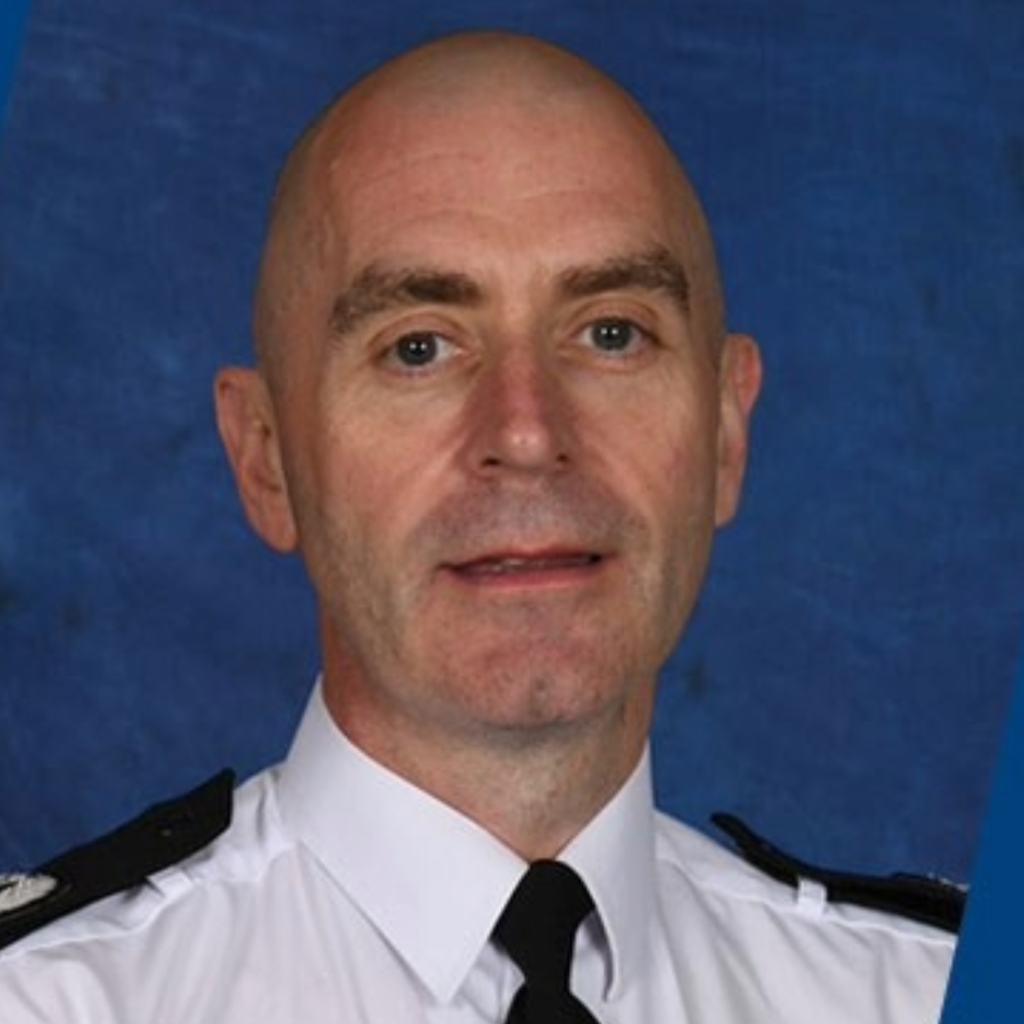
ACC Sutherland currently has strategic oversight for Criminal Justice and Contact, Command and Control, playing a key role in shaping national policy, improving justice pathways, and strengthening public‑facing operational services. He is also Police Scotland’s national lead for neurodiversity, guiding policy, training, and organisational support for neurodiverse individuals within the workforce and across communities.
ACC Sutherland is passionate about Public Health focussed prevention and partnered with academic colleagues to champion this approach across Greater Glasgow.
A strong advocate for global learning through police–academic partnerships, ACC Sutherland pioneered Police Scotland’s first international knowledge‑exchange conference on neurodiversity with Edinburgh Napier University, GLEPHA, and SIPR. He also contributes to international dialogue, including presenting at the International LEPH 2025 Conference, sharing evidence‑based approaches to inclusive criminal justice practice.